


Most stripped cross-head screws are caused by Phillips head driver bits that stayed in service after the tip stopped matching the recess. The edge loss looks small, but torque loss is large, and the screw pays for it.
How a worn tip stops fitting the recess
The Phillips #2 bit does most of the work on site and in the shop. It drives screws used in panels, brackets, boxes and general assembly. That heavy use is why it wears first, and why it causes most of the damage when left in the chuck too long. A fresh #2 feels tight on entry. A tired one feels loose, even before damage is visible.
Each recess is a cross with angled walls that need full contact to hold torque. The bit sits flush against those walls so force goes down into the fastener and out across the wings. International geometry for this fit is described in ISO 8764, which sets tight angles and tolerances for tip and recess because small errors change grip considerably.
When those angles match, the bit locks in with little end pressure and turns the screw cleanly. When the wings round off, the bit rides high and rocks from side to side under load. That rocking motion breaks the fit and puts load on the thin outer edges of the screw head instead of the full flank.
Torque transfer drops before damage is easy to see. The driver still spins, but less twist reaches the threads and more turns into scraping inside the recess. Once the recess walls deform, every later attempt grips less, and the head can strip on the next run even with steady pressure.
Warning signs you can hear and feel
A good bit seats with a dull click and stays put under load. A worn bit never quite settles. It feels loose on entry and needs extra push to stay engaged. That loose feel is the first clue. Don’t ignore it.
You will hear and feel the change before you see it. The tip clicks or pops out under steady pressure instead of holding center. It jumps or spins without turning the screw at the same rate, so the motor sounds busy while progress slows or stalls. If more body weight is needed to hold the bit in, the edge is gone and technique alone won’t restore the fit.
Stop at the first slip.
Don’t power through and hope the next pulse catches. Back the tool off, lift the bit out, and look at both parts before pulling the trigger again. The cause is not always edge wear, so stop and check the fit against other faults. It can be the wrong size or profile, a chipped recess, a loose magnetic bit holder, or high resistance in dense material.
A fresh screw that seats cleanly with a new bit points to wear. A fresh bit that still slips in the same hole points to another fault.
How to check a bit in under a minute
Check bits before the job starts, not after screws start failing. Pull the bit from the holder and wipe it clean so grease and dust don’t hide the edges. Good light matters more than sharp eyes here. A bench lamp or daylight shows flank shape far better than an overhead site light.
Hold the tip up and look at the four wings from the front and side. New wings have straight flanks and crisp corners that meet the recess walls along their length. Worn wings look rounded or flattened at the corners and nicked where contact is heaviest.
The tip may look narrower or shorter, with the cross point dulled. Place the used bit next to an unused bit of the same model and size for comparison.
Any loss of width or length, curl at the edge, or asymmetry in the cross stands out when the two are together. Polished spots alone don’t condemn a bit, since normal use polishes high spots without changing shape. Shape change condemns it. Retire any bit that is chipped, twisted, bent, or deformed at the tip. Those faults won’t grip, and they cut into the recess walls.
Safety comes first with this check. Isolate the tool before a bit change by removing the battery or unplugging the cord. Wear eye protection when driving or brushing debris from a recess, and secure the work so it can’t shift mid-run. Don’t spin the bit with fingers to test sharpness, and don’t blow the recess clear with compressed air. A rag and a plastic pick are enough to clear paint, dust and chips.
Why spares beat workarounds on busy jobs
Bits are consumables, not lifetime tools. Even top-grade steel loses its edge with use, and the Phillips form shows that loss fast because the contact area is small and the walls are angled. Planning for swaps is a routine part of the job.
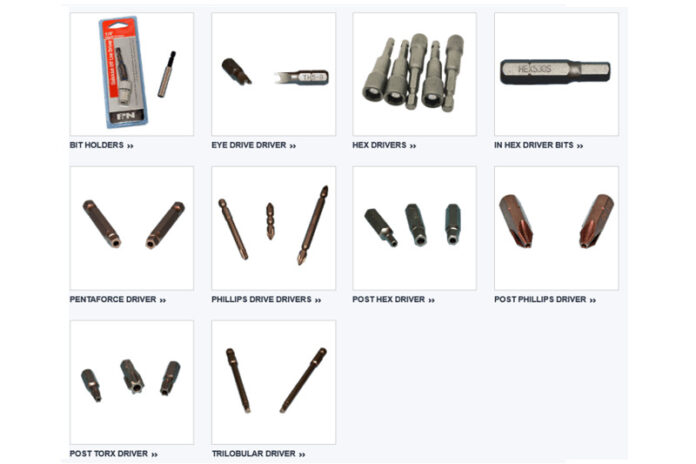
For tradespeople handling mixed fasteners, keeping a stocked kit of purpose-built Driver Bits in the toolbox means a replacement is on hand when a Phillips tip loses its edge. That habit removes the temptation to squeeze one more run from a dull tip.
It also keeps size options close, since a fresh #1 or #3 is often nearer than it seems when only a #2 is on the bench. There’s no need to overthink stock. A few sealed spares of the sizes used most, plus one spare holder, covers most days.
Treat the swap as cheap insurance. A stripped head can mean extractors or panel rework, stalling a task while someone finds a fix that should not have been needed. A new bit costs far less and takes seconds to fit. Bin the worn bit so it can’t drift back into use. Mark the kit slots if that helps the crew see what’s missing.
Size, profile and holder errors that mimic wear
A new bit can slip like a worn one if the size is off, so size the tip to the recess rather than forcing what’s in the chuck. The #1 tip suits small recesses in trim and light fixtures where a #2 would sit high. The #2 tip suits common cross screws found in most trade work, which is why it wears fastest.
Larger recesses in heavy brackets and structural connections needing more torque suit the #3 tip. Those are broad guides, not fixed rules, since screw numbering varies by maker and batch. Check the actual recess marking, the fastener spec sheet, the tool maker’s size chart, or a trial fit with the power off.
Test the fit by hand with the tool isolated. The bit should fill the cross with no wobble and no daylight at the wings, and it should stay in without being held.
Profile errors cause the same harm as wrong size. Pozidriv looks close to Phillips at a glance, but it has extra ribs and different wall angles that change where contact happens. A Pozidriv bit in a Phillips recess rides on the ribs and chews the walls instead of seating.
A Phillips bit in a Pozidriv recess contacts only on points and slips early under torque. Keep the two systems apart, even when the bit looks new and the screw looks close. If the head has small tick marks between the cross slots, treat it as a different drive and check the box or spec before driving.
Check the holder before blaming the bit. A worn magnetic bit holder lets the shank rock, which feels like tip wear at the screw. Check for play by seating a new bit and tugging it side to side with the tool isolated. If there’s movement at the base or a weak pull on insertion, swap the holder. Also check the screw itself.
A recess packed with paint or rust, or already rounded from an earlier slip, will reject even a perfect tip. Clean the recess and try a fresh fastener before judging the bit, since the fault is often in the hole rather than the steel.
Impact use and critical fasteners need earlier changes
An impact driver shortens bit life compared with a drill driver. The percussive hits add micro-slip on each pulse, and flank wear builds fast on Phillips wings with their small contact patch. Cam-out under impact is more violent too, so one slip can wreck a head that would have survived under steady drive. Anyone running impact mode should expect more frequent swaps and plan for them.
Tradespeople who run impact tools should inspect more often and carry a spare at the bench rather than on the truck. Use bits that carry an actual impact rating from the maker, and match that rating to the tool and task. Hi-torque bits hold up longer in production and construction work where the same size runs all day with little rest.
Common steels like S2 steel and high-speed steel each have trade-offs for hardness and toughness, so follow the maker’s use range and retire on the same visual clues regardless of alloy. No steel stays sharp once the corners are gone, and a harder tip can still chip if used past its shape.
Early change matters most where a failed screw has wide effects. Think of marine and mining plant where access is tight and rework is slow, plus automotive and construction assemblies where one seized fastener holds up other trades. Industrial maintenance fits the same pattern, since a stuck cover or bracket can idle a whole cell.
In those spots, the price of a damaged part or a line stop is far above the price of a bit. If heads start to scuff while the bit still looks only lightly worn, an anti-cam-out ribbed bit can add grip in some mixes of screw and material because the small ribs bite the walls. Treat it as an option for that task, not a cure for wear. The worn bit still needs replacing.
A sharp Phillips tip is the cheapest part of the job. Check it often and bin it at the first sign of shape loss, matching size and profile with care. Screws stay clean and the driver does the work it was built to do.